House Cleaning: Practical Tips, Smart Routines, and a Cleaner Home Every Day
Why House Cleaning Matters for Every Home

House cleaning is more than a chore. It shapes how a home feels, how healthy it is, and how easy it is to enjoy day after day. A clean home can reduce stress, improve indoor air quality, and make everyday tasks feel simpler. Whether you live in a small apartment or a large family home, regular house cleaning helps create a more comfortable space for everyone.
Many people think of house cleaning as something that only needs to happen when messes become obvious. In reality, consistent cleaning can save time and effort over the long run. Dust, grime, grease, and clutter build up gradually, which means small cleaning habits are often more effective than occasional deep scrubbing. That is why a thoughtful house cleaning routine can make a major difference in daily life.
There is also a strong connection between house cleaning and peace of mind. Walking into an organized, fresh-smelling home can immediately improve your mood. Surfaces look brighter, rooms feel larger, and it becomes easier to relax or focus. For busy households, keeping up with house cleaning is not about perfection; it is about creating an environment that supports comfort, hygiene, and a better quality of life.
Building a House Cleaning Routine That Actually Works
One of the biggest challenges in house cleaning is consistency. Many people start with good intentions but struggle to maintain momentum. The solution is to build a routine that fits your lifestyle. Instead of trying to clean everything at once, divide tasks into daily, weekly, and monthly responsibilities. This approach keeps the workload manageable and prevents burnout.
A practical house cleaning routine should be realistic. If you only have 20 minutes on weekdays, use that time for high-impact tasks like wiping counters, loading the dishwasher, or tidying common areas. If you have more time on weekends, focus on floors, bathrooms, and dusting. The best routine is the one you can repeat, not the one that looks perfect on paper.
It also helps to assign cleaning tasks by room and by frequency. For example, kitchens often need daily attention because food preparation creates spills and grease. Bathrooms may need quick wipe-downs several times a week. Bedrooms can often be maintained with lighter upkeep, while living areas benefit from regular decluttering. By organizing house cleaning this way, you reduce decision fatigue and keep the home consistently fresh.
Simple Daily Tasks That Keep Things Under Control
Daily house cleaning does not need to take long. A few focused actions can prevent messes from turning into bigger problems. Making the bed, putting items back where they belong, wiping the kitchen counter, and taking out trash when it fills up are small habits that create noticeable results. These tiny efforts add up and support a cleaner home with less stress.
Here are a few easy daily habits to consider:
- Wipe bathroom and kitchen surfaces after use.
- Do a quick floor sweep in high-traffic areas.
- Sort mail, papers, and clutter before it piles up.
- Run or empty the dishwasher regularly.
- Spend five minutes resetting shared spaces at the end of the day.
Room-by-Room House Cleaning Strategies
Different rooms require different house cleaning methods. The kitchen, bathroom, bedroom, and living room each collect unique types of dirt and clutter. Understanding these differences helps you clean more efficiently and use the right products for the job. A room-by-room approach is especially useful in busy households because it keeps the process organized and less overwhelming.
In the kitchen, focus on food residue, grease, and frequently touched surfaces. In bathrooms, prioritize disinfecting sinks, toilets, and shower areas. Bedrooms benefit from dust control, bedding care, and clutter management. Living rooms often need vacuuming, dusting, and arrangement of decor and cushions. This targeted approach helps improve the results of your house cleaning efforts.
Another benefit of room-by-room house cleaning is that it makes delegation easier. If you live with family members or roommates, assign specific zones or recurring tasks. One person can handle floors while another manages surfaces or trash. Shared responsibility creates a more balanced cleaning system and helps everyone contribute to a more pleasant living environment.
Kitchen Cleaning Priorities
The kitchen is often the hardest-working room in the house, so it needs regular attention. Food spills, crumbs, and grease build up quickly and can attract pests if ignored. A strong house cleaning routine for the kitchen should include wiping appliances, sanitizing countertops, cleaning the sink, and sweeping the floor.
Pay special attention to:
- Stovetops and range hoods
- Microwave interiors
- Cabinet handles and fridge doors
- Trash bins and recycling areas
- Sink drains and faucet areas
Keeping the kitchen tidy after each meal reduces the need for long cleanups later. A quick wipe-down after cooking can make a huge difference in your overall house cleaning schedule.
Deep Cleaning vs. Regular House Cleaning
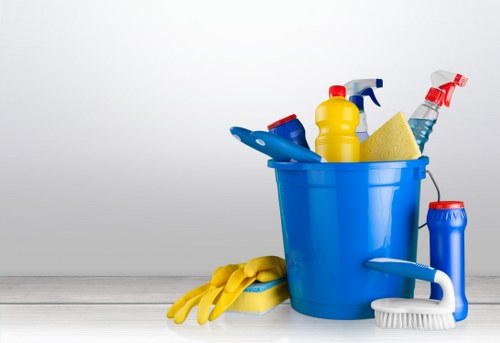
Not all cleaning is the same. Regular house cleaning covers the everyday maintenance that keeps a home looking orderly and hygienic. Deep cleaning, on the other hand, goes beyond the surface. It targets buildup in places that are often overlooked, such as behind appliances, under furniture, along baseboards, and inside cabinets. Both are important, but they serve different purposes.
Regular house cleaning should happen frequently enough to keep dirt from accumulating. This may include vacuuming, dusting, sanitizing surfaces, and keeping clutter under control. Deep cleaning is more intensive and can be done monthly, seasonally, or as needed. It often involves scrubbing grout, washing walls, cleaning vents, and tackling neglected spaces.
Many homeowners find it helpful to separate the two in their planning. For example, weekly house cleaning can focus on maintenance, while one weekend each month can be reserved for deeper tasks. This helps ensure that the home stays presentable without requiring constant heavy labor. It also makes house cleaning feel more manageable because you know exactly what type of work is expected each time.
When Deep Cleaning Makes the Biggest Difference
Deep cleaning can be especially useful during certain times of the year or after major life events. Seasonal changes, holidays, moving in or out, and preparing for guests are all good moments to refresh a home more thoroughly. A deep house cleaning session can also help after renovations, illness, or periods of high activity when dust and clutter have increased.
Some key deep cleaning tasks include:
- Cleaning behind and beneath large furniture or appliances.
- Scrubbing tile grout and bathroom buildup.
- Washing windows, blinds, and light fixtures.
- Vacuuming vents, corners, and upholstery.
- Organizing storage spaces, drawers, and closets.
These tasks may take more time, but they can dramatically improve the appearance and hygiene of the home. When done strategically, deep house cleaning supports your regular routine and keeps future upkeep easier.
Choosing the Right Products and Tools for House Cleaning
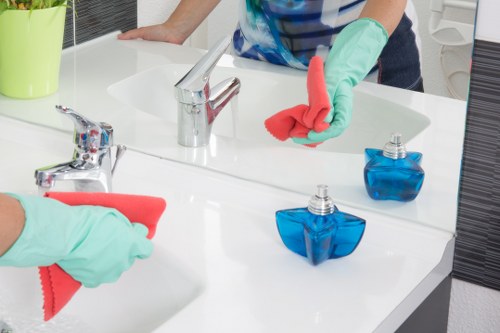
Effective house cleaning is easier when you have the right tools. A small but well-chosen set of supplies can save time and improve results. While there are countless products on the market, it is often best to start with basics that work across multiple surfaces. Microfiber cloths, a good vacuum, a mop, a broom, sponges, and all-purpose cleaner can handle many household tasks.
It is also important to choose products carefully based on the surfaces in your home. Some cleaners are ideal for glass, while others are better for stone, wood, tile, or stainless steel. Using the wrong product can dull finishes or leave residues behind. If you want your house cleaning routine to be efficient, read labels and test products on small areas when needed.
Many households are also exploring eco-friendly house cleaning options. Plant-based cleaners, reusable cloths, and low-toxicity products can help reduce chemical exposure while still providing strong cleaning performance. The right balance depends on your needs, preferences, and the level of cleaning required. For many people, a mix of gentle daily products and stronger solutions for tougher tasks is the most practical approach.
Helpful House Cleaning Tool Checklist
Consider keeping these items in a central cleaning caddy:
- Microfiber cloths and dusters
- Disinfecting wipes or sprays
- All-purpose cleaner
- Glass cleaner
- Bathroom cleaner
- Scrub brush and sponges
- Vacuum with attachments
- Broom, dustpan, and mop
- Rubber gloves
Having a ready-to-use kit makes house cleaning faster and less frustrating. Instead of searching for supplies, you can move from task to task smoothly and stay in the cleaning mindset.
How to Save Time Without Sacrificing Results
Time is one of the biggest obstacles to consistent house cleaning. Fortunately, a few smart strategies can make the process much more efficient. One of the easiest ways to save time is to clean as you go. When you wipe spills immediately, put items away after use, and deal with messes before they spread, you reduce the amount of work later.
Another useful method is to clean from top to bottom and from left to right within each room. This prevents dust and debris from falling onto freshly cleaned areas. It also creates a predictable flow that makes house cleaning easier to follow. Working in this order means you are less likely to repeat steps or miss spots.
Speed can also improve when you use timers. Setting a 10- or 15-minute timer for a specific task keeps you focused and prevents perfectionism from slowing you down. Many people are surprised by how much house cleaning they can accomplish in short bursts. This is especially effective for tidying, dusting, and surface cleaning.
House Cleaning Habits for Busy Families
Busy families often need a flexible approach to house cleaning. Between work, school, activities, and meals, it is easy for chores to pile up. The key is to make cleaning part of the household rhythm rather than something separate and stressful. A few shared habits can keep the home in good shape even when life gets hectic.
Family house cleaning becomes easier when everyone knows their role. Younger children can help pick up toys, sort laundry, or wipe low surfaces. Teens can vacuum, clean bathrooms, or take charge of trash removal. Adults can handle more detailed tasks or rotate responsibilities. When cleaning becomes a team effort, the burden feels lighter and the results are more consistent.
Simple systems can also improve cooperation. For example, a chore chart, cleaning basket, or weekly reset time can make expectations clear. Even a short family cleanup session before dinner or bedtime can protect the home from clutter overflow. These routines help maintain a pleasant space and reduce the need for exhausting weekend catch-up cleaning.
Practical Tips for Family-Friendly Organization
Organization supports house cleaning by reducing the number of items that end up out of place. When everything has a home, it is easier to tidy quickly. Storage bins, labels, hooks, and drawer dividers can make a major difference in high-use areas like entryways, bedrooms, and kitchens.
Useful organization habits include:
- Keeping baskets for quick pickup in each room.
- Using labeled containers for toys, office supplies, or seasonal items.
- Creating a landing zone near the door for shoes and bags.
- Storing frequently used items at easy-to-reach heights.
- Purging duplicates or unused items regularly.
These habits support both organization and house cleaning, making it easier to maintain order throughout the week.
Signs It May Be Time for Professional House Cleaning
Sometimes, even with the best intentions, house cleaning becomes too much to handle alone. Work demands, family responsibilities, travel, health limitations, or major life changes can leave little time for regular upkeep. In these situations, professional cleaning support can be a practical solution rather than a luxury.
Many people consider professional house cleaning when they notice they are falling behind on essential tasks. If dust, grime, and clutter keep returning faster than you can manage, a professional service can help restore balance. It can also be useful before events, during seasonal transitions, or when a deep clean is overdue. Outsourcing some of the work can free up time and reduce stress.
Professional house cleaning is often valued for consistency and thoroughness. Trained cleaners can handle tasks efficiently and help maintain a standard that supports your routine. For households with pets, children, or high foot traffic, that kind of support can make a noticeable difference in daily comfort and cleanliness.
When Professional Support Can Help Most
Consider extra help if you are facing any of the following:
- Persistent buildup in kitchens or bathrooms
- Limited time due to work or family demands
- Upcoming gatherings or special events
- Move-in or move-out cleaning needs
- Physical limitations that make cleaning difficult
Book your service now if you want a cleaner, calmer home without adding more stress to your schedule.
Seasonal House Cleaning and Home Maintenance
Seasonal cleaning is a smart way to keep up with changing household needs. As the weather shifts, different parts of the home may require more attention. For instance, spring often brings dust and allergens, summer may increase foot traffic, autumn can introduce leaves and outdoor debris, and winter may lead to mud, moisture, and more time spent indoors.
Seasonal house cleaning is a chance to refresh spaces that often get neglected during regular routines. It may include washing curtains, cleaning windows, rotating mattresses, checking vents, or reorganizing storage areas. These efforts not only improve cleanliness but also support long-term home maintenance.
It is helpful to create a seasonal checklist so nothing gets forgotten. This makes house cleaning more structured and helps you prepare for each part of the year with less stress. A seasonal approach also encourages you to notice maintenance issues early, such as leaks, mold, worn filters, or clogged vents.
Seasonal Priorities by Time of Year
- Spring: dust removal, window cleaning, decluttering, and airing out rooms
- Summer: floor care, kitchen freshness, and managing extra traffic
- Autumn: entryway cleaning, storage organization, and heating prep
- Winter: moisture control, sanitizing high-touch surfaces, and indoor dust management
When seasonal tasks are built into your house cleaning plan, the home stays comfortable all year long.
How House Cleaning Supports a Better Lifestyle
House cleaning has a deeper impact than many people realize. A clean home supports healthier routines, easier decision-making, and a more enjoyable daily experience. When surfaces are clear and rooms are organized, people often find it easier to concentrate, unwind, and move through the day with less friction.
There is also a practical benefit to maintaining a tidy space. Regular house cleaning can help preserve furniture, flooring, appliances, and fixtures by preventing excessive buildup and damage. That means your efforts today can protect your home’s condition over time. In this way, cleaning is both a comfort measure and a form of care for your space.
Most importantly, house cleaning creates a home that feels ready for life. Whether you are hosting guests, spending time with family, working from home, or simply trying to relax, a clean environment makes those moments more enjoyable. A few steady habits, the right tools, and a realistic plan can transform the way your home looks and feels.
If you are ready to make your home feel fresher, easier to manage, and more welcoming, start with one room, one habit, or one weekend reset. Small actions lead to meaningful progress. Contact us today to take the next step toward a cleaner home, or book your service now and enjoy the difference professional house cleaning can make.