Commercial Cleaning in Modern Workspaces: A Practical Approach to Health, Image, and Productivity
Commercial cleaning plays a major role in how businesses operate, how customers perceive them, and how employees feel at work. In offices, retail stores, medical facilities, warehouses, schools, and hospitality venues, a clean environment is not just about appearances. It supports hygiene, safety, efficiency, and brand reputation. For many organizations, investing in commercial cleaning services is one of the smartest ways to protect people and present a professional image every day.
As workplaces become busier and customer expectations rise, the demand for reliable commercial cleaning has grown steadily. Businesses now want more than basic dusting and vacuuming. They need structured cleaning programs, trained staff, consistent quality, and flexible solutions that match their operations. Whether you manage a small office or a large corporate campus, commercial cleaning can make a measurable difference in how smoothly your business runs.
Modern commercial cleaning also extends beyond visible tidiness. It includes disinfection, touchpoint sanitation, floor care, restroom cleaning, waste management, and attention to high-traffic areas. When these tasks are handled properly, they reduce clutter, support healthier indoor air quality, and help create a workspace where people can focus. Clean environments improve confidence, and confidence matters in every industry.
What Commercial Cleaning Means for Businesses
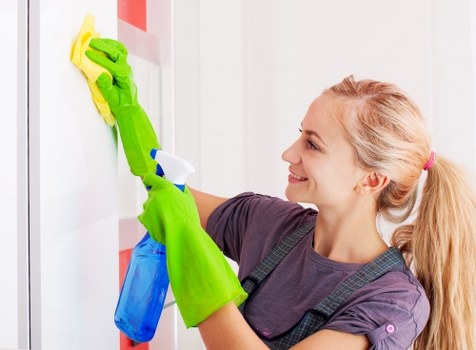
Commercial cleaning refers to professional cleaning services designed for business and institutional spaces rather than private homes. These services are customized for different settings, including office buildings, medical offices, educational facilities, government buildings, retail locations, and industrial sites. The scope can range from daily upkeep to specialized deep cleaning, depending on the environment and the client’s needs.
Unlike residential cleaning, commercial cleaning often follows strict schedules and operational requirements. Work may need to happen before opening hours, after business closes, or during low-traffic periods to avoid disruption. Cleaning teams must also understand how to work efficiently around equipment, sensitive materials, customer areas, and employee zones. That is why experienced commercial cleaners bring value beyond simple labor; they bring process, consistency, and awareness.
Many businesses choose commercial cleaning services because outsourcing keeps internal teams focused on core work. Rather than asking employees to handle sanitation on top of their primary responsibilities, businesses can rely on trained professionals to maintain standards. This approach often improves both productivity and workplace morale. A professional cleaning program helps business owners concentrate on growth while the environment stays presentable and safe.
Key differences between business cleaning and home cleaning
Commercial cleaning is shaped by scale, frequency, and compliance. In a business environment, surfaces are touched by many people throughout the day, so sanitation needs are higher. There may also be specialized flooring, shared break rooms, high shelves, machines, or sensitive work areas that require different techniques and products.
- Higher foot traffic and faster buildup of dirt
- More frequent sanitation of shared surfaces
- Need for scheduled service with minimal disruption
- Specialized equipment and cleaning chemicals
- Attention to compliance and workplace safety standards
Why Commercial Cleaning Matters More Than Ever
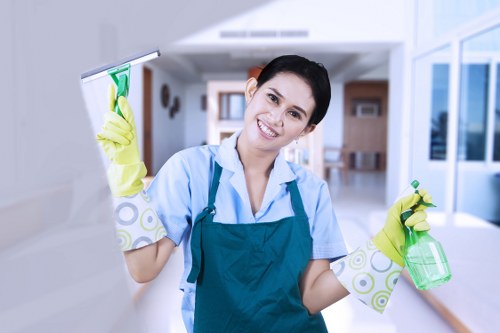
Workspaces today are under greater scrutiny than ever before. Employees expect a clean and healthy place to work, while customers often judge a company within seconds of walking in. A spotless lobby, polished floor, and fresh-smelling restroom can shape the entire experience. In contrast, dusty corners, overflowing bins, and stained carpets can damage trust quickly. Commercial cleaning directly supports your image and your bottom line.
Health is another important reason businesses invest in commercial cleaning. Dust, bacteria, allergens, and grime can accumulate fast in busy environments. When cleaning is neglected, people may be more likely to experience discomfort, allergies, or illness. Regular cleaning and disinfection help reduce these risks and create a healthier atmosphere. This is especially important in shared workspaces, healthcare-related facilities, and any place with a high volume of visitors.
There is also a strong connection between cleanliness and productivity. People generally work better in organized environments with fewer distractions. A tidy workplace can improve focus, reduce stress, and help employees take pride in their surroundings. Commercial cleaning supports a more efficient workplace culture by removing obstacles that can slow down daily tasks.
Benefits that go beyond appearance
Commercial cleaning can influence many areas of business performance, including maintenance costs, staff retention, and customer experience. When floors are cared for properly and surfaces are kept clean, equipment and fixtures often last longer. That means fewer repairs and replacements over time. It also helps businesses avoid unpleasant odors, slip hazards, and sanitation problems that could lead to complaints or liability concerns.
- Improves first impressions for clients and visitors
- Supports employee health and morale
- Extends the life of carpets, furniture, and flooring
- Helps reduce workplace clutter and safety risks
- Strengthens overall brand reputation
Types of Commercial Cleaning Services
Commercial cleaning is not a one-size-fits-all service. Different industries have different requirements, and a quality provider should be able to tailor services accordingly. A corporate office may need daily desk sanitizing and restroom maintenance, while a warehouse may need floor scrubbing, dust removal, and waste management. Understanding the most common types of commercial cleaning helps businesses choose the right support.
Routine janitorial services
Janitorial services are the foundation of many commercial cleaning programs. These services usually include trash removal, restroom cleaning, vacuuming, dusting, floor care, and replenishing consumables such as soap and paper products. Routine janitorial work keeps daily operations running smoothly and helps maintain a consistent standard of cleanliness.
Depending on the facility, janitorial cleaning may happen every day or several times a week. Busy places often require more frequent service, especially in shared areas, kitchens, and restrooms. This steady upkeep prevents dirt from building up and makes deeper cleaning easier and more efficient.
Deep cleaning and periodic sanitation
Deep cleaning goes beyond surface-level maintenance. It includes detail-oriented work such as scrubbing baseboards, cleaning vents, sanitizing hard-to-reach spaces, and addressing areas that are not cleaned during regular service. Businesses often schedule deep cleaning monthly, quarterly, or seasonally to reset the environment and handle buildup.
This service is valuable in high-use spaces because it targets neglected areas that can harbor dust, bacteria, and odors. Deep cleaning also refreshes the overall appearance of the workspace, which can be especially useful before inspections, special events, or busy seasons.
Specialized cleaning for specific industries
Some businesses require specialty cleaning due to the nature of their work. Medical offices, for example, may need enhanced disinfection protocols. Restaurants require strict sanitation in kitchens and dining areas. Industrial sites may need floor degreasing, machine-area cleanup, or post-construction services. A reliable commercial cleaning company should be able to adapt techniques, supplies, and schedules to fit each setting.
- Office cleaning
- Retail cleaning
- Medical cleaning
- Industrial cleaning
- Post-construction cleaning
- Carpet and floor care
How Commercial Cleaning Supports Workplace Health and Safety

A clean workplace is a safer workplace. Commercial cleaning reduces the buildup of dust, spills, germs, and debris that can create health and safety concerns. In busy environments, small issues can turn into bigger problems quickly. A wet floor, a cluttered hallway, or a neglected restroom can all cause unnecessary risk. Preventing these issues is one of the strongest reasons to maintain a formal cleaning plan.
Touchpoints such as door handles, elevator buttons, light switches, countertops, and shared equipment are especially important in commercial cleaning. These surfaces are used constantly and can transfer bacteria or viruses from person to person. Regular sanitation of high-touch areas helps lower that risk and supports a healthier environment for staff and visitors.
Air quality is another factor that is often overlooked. Dust, debris, and poor ventilation can make a building feel stale and uncomfortable. With proper commercial cleaning, dust buildup is reduced and indoor environments can feel fresher. This is particularly important for businesses with employees who spend long hours indoors or visitors who may be sensitive to allergens.
Safety considerations in busy environments
Professional cleaners understand how to work safely in active business settings. They use signage, proper dilution methods, and appropriate equipment to avoid accidents or cross-contamination. They also understand which products should be used on specific surfaces, helping prevent damage to flooring, fixtures, and electronic equipment.
Businesses that prioritize commercial cleaning often notice fewer slips, fewer hygiene complaints, and better overall order. Clean spaces naturally encourage better behavior too. When desks, break rooms, and common areas are maintained regularly, employees are more likely to keep things tidy and respectful.
Important safety practices often included
Commercial cleaning programs frequently include practices such as mop drying protocols, restocking safety supplies, and using color-coded cleaning tools to prevent contamination between areas. These procedures may seem small, but they contribute greatly to workplace protection and operational professionalism.
- Wet floor signs in high-traffic areas
- Surface-safe disinfectants
- Proper waste segregation
- Cleaning schedules for restrooms and kitchens
- Approved products for sensitive surfaces
Choosing the Right Commercial Cleaning Service
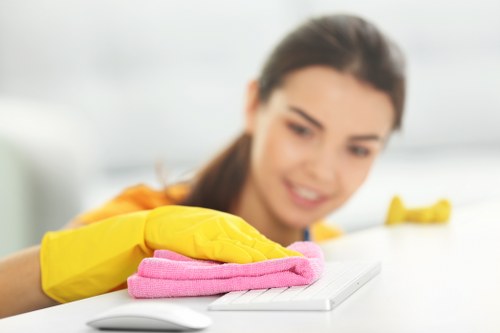
Selecting a commercial cleaning provider is an important decision. The right partner will understand your facility, respect your schedule, and deliver consistent results. Because every business has different cleaning needs, it helps to evaluate providers carefully instead of choosing based on price alone. Quality, reliability, and experience often matter more in the long run.
Start by looking at the provider’s experience in your industry. A company that cleans office spaces may have different strengths than one that serves warehouses or healthcare facilities. Ask about training, equipment, and service flexibility. Good commercial cleaning companies should be able to explain how they handle recurring tasks, deep cleaning, and emergency requests.
It is also worth considering communication and quality control. A strong provider will have clear processes for supervision, checklists, and follow-up. They should be able to adapt when your business schedule changes, whether that means extra attention before an event or increased service during busy periods. Reliable commercial cleaning is built on consistency, not guesswork.
Questions to consider before hiring
Before committing to a service, it helps to ask practical questions about scope, staffing, and standards. This can save time and prevent misunderstandings later.
- What services are included in the cleaning plan?
- How often will cleaning be performed?
- What training do cleaners receive?
- Which products and equipment are used?
- How are quality issues handled?
- Can services be customized for our facility?
Transparency is essential. A trustworthy provider should explain exactly what is covered and how results are measured. If your business has specialized needs, such as confidential work areas, sensitive equipment, or strict sanitation requirements, those details should be discussed early.
Why customization matters
One of the biggest advantages of professional commercial cleaning is customization. No two buildings are identical, and no two business operations run the same way. A flexible cleaning plan accounts for occupancy levels, layout, foot traffic, and industry rules. That means you are not paying for unnecessary work, and the areas that matter most receive proper attention.
Custom plans may also include seasonal changes, such as increased carpet care during rainy months or more frequent sanitizing during peak visitor periods. This adaptive approach helps businesses maintain a polished, hygienic environment year-round.
Commercial Cleaning in Different Business Settings
Different environments require different commercial cleaning priorities. Offices often emphasize desks, meeting rooms, kitchens, and restrooms. Retail locations need spotless floors, clean windows, and attractive public-facing spaces. Medical offices require strict sanitation and attention to high-contact surfaces. Warehouses and industrial facilities may prioritize dust control, floors, break rooms, and safety compliance.
In hospitality settings, commercial cleaning has a direct effect on guest satisfaction. A lobby, dining area, or guest corridor must look and feel fresh at all times. Meanwhile, educational facilities depend on cleaning programs that support large groups of people in shared spaces. In each case, the goal is the same: to create a safe, professional, and welcoming environment.
Commercial cleaning also affects how easily a business can pass inspections or internal audits. Organized records, consistent procedures, and visible cleanliness all contribute to compliance. This is one reason many companies treat cleaning as part of operational strategy rather than an afterthought. When cleanliness is embedded into the workflow, the entire facility performs better.
Common cleaning priorities by setting
- Office: desks, restrooms, break rooms, carpets, and common areas
- Retail: entrances, display areas, glass surfaces, and customer restrooms
- Healthcare: disinfection, sanitation, and strict touchpoint control
- Industrial: dust removal, floor care, and safety-focused cleanup
- Hospitality: guest-facing polish, odor control, and fast turnaround cleaning
The Role of Technology and Modern Cleaning Methods
Commercial cleaning has evolved significantly in recent years. Many providers now use advanced equipment, improved cleaning chemistry, and digital tracking systems to deliver better results. Microfiber technology, electrostatic disinfection, HEPA filtration vacuums, and specialized floor machines can all improve efficiency and cleanliness. These tools help teams clean more thoroughly and with greater consistency.
Technology also makes scheduling and quality control easier. Businesses can often use digital service logs, inspection checklists, and communication tools to monitor cleaning performance. This transparency helps create accountability and allows service providers to respond quickly to issues. For businesses that care about standards, this level of oversight is a major advantage.
Eco-friendly commercial cleaning is another growing trend. Many businesses now prefer products and practices that reduce harsh chemical exposure and support sustainability goals. Green cleaning solutions can help lower environmental impact while still maintaining strong hygiene standards. Modern commercial cleaning is increasingly about performance, safety, and responsibility at the same time.
Features of modern cleaning programs
Today’s cleaning services may include automated scheduling, supply tracking, color-coded systems, and environmentally conscious product selection. These features help streamline operations and improve outcomes over time.
- HEPA vacuums for better dust control
- Microfiber systems for effective surface cleaning
- Eco-conscious cleaning solutions
- Digital quality assurance logs
- Customized cleaning schedules based on usage patterns
How Commercial Cleaning Improves Brand Image
Every business communicates something through its physical space. Clean windows, polished floors, and organized common areas send a message of professionalism and attention to detail. On the other hand, messy or dirty spaces can make a business seem careless, even if the actual service or product is excellent. Commercial cleaning helps align your environment with the quality of your brand.
This matters in client-facing businesses, but it also matters internally. Employees are more likely to respect a workplace that is cared for properly. They may also feel more valued when the company invests in clean, comfortable surroundings. The result is a better overall experience for everyone who enters the building.
For businesses trying to grow, reputation is everything. Positive impressions can encourage repeat visits, referrals, and stronger customer trust. While commercial cleaning may not always be the first thing people mention, it often influences how they remember a business. That makes it a quiet but powerful part of branding.
Ways cleanliness supports branding
- Creates a polished first impression
- Reflects professionalism and care
- Strengthens customer confidence
- Supports employee pride and morale
- Helps maintain a consistent business image
Getting the Most Value from Commercial Cleaning
To get the best results from commercial cleaning, businesses should think strategically. Start by identifying the most important areas in your facility and the times when cleaning matters most. High-traffic zones may require daily attention, while less-used areas may need weekly or periodic care. Matching service levels to actual needs helps improve value without wasting resources.
Clear communication also matters. If your team notices recurring issues, such as streaky glass, inconsistent restroom restocking, or missed corners, those concerns should be addressed quickly. A strong relationship with your cleaning provider depends on open feedback and measurable expectations. When both sides understand the priorities, the results usually improve.
Businesses should also treat commercial cleaning as part of a larger facility plan. That means coordinating with maintenance, operations, and office management when needed. Regular inspections, seasonal adjustments, and documented procedures can all support better long-term outcomes. Commercial cleaning works best when it is proactive, not reactive.
Practical ways to maximize results
There are several simple ways to improve the impact of your cleaning program.
- Prioritize high-touch and high-traffic areas
- Review service scope regularly
- Schedule deep cleaning at set intervals
- Track recurring issues and resolve them early
- Adjust frequency based on occupancy and season
Conclusion: Why Commercial Cleaning Is a Smart Business Investment
Commercial cleaning is far more than a routine task. It is a business investment that supports health, safety, productivity, and reputation. From daily janitorial work to specialized sanitation, every part of the process contributes to a better work environment. When people walk into a clean building, they notice. When employees work in a well-maintained space, they perform better. And when customers see a professional environment, they are more likely to trust the business behind it.
For modern organizations, the value of commercial cleaning is clear. It helps protect people, supports operations, and strengthens brand image in a practical, visible way. Whether you are managing a small office, a busy retail location, or a large facility with specialized needs, professional cleaning can make a lasting difference. The right approach saves time, reduces risk, and keeps your space ready for business every day.
If your organization is ready to raise its standards, contact us today to discuss a cleaning plan that fits your workspace. Book your service now and experience the benefits of a cleaner, healthier, and more productive environment.