Communal Area Cleaning: A Practical Approach to Cleaner, Safer Shared Spaces
Communal area cleaning plays a vital role in keeping shared environments healthy, welcoming, and presentable. Whether it is an apartment block, office building, student residence, mixed-use property, or residential complex, the condition of communal areas directly shapes how people experience the space. A spotless entrance, polished hallway, disinfected lift, and tidy staircase do more than improve appearance; they support hygiene, safety, and long-term property value. In today’s fast-paced world, professional communal area cleaning is no longer a luxury. It is an essential service that helps shared spaces stay functional and appealing for everyone who uses them.
When people move through communal spaces every day, dirt, dust, litter, fingerprints, and germs build up quickly. High-touch points such as door handles, railings, intercoms, and elevator buttons need frequent attention. Without a consistent cleaning routine, these areas can become unpleasant and even unsafe. That is why many property managers, landlords, and housing associations invest in structured communal area cleaning services tailored to the needs of the building and its occupants.
The demand for reliable communal area cleaning has grown because shared properties require more than occasional tidying. They need a planned method that balances appearance, sanitation, and maintenance. In this article, we explore what communal area cleaning involves, why it matters, what areas should be cleaned, and how to keep shared environments in excellent condition. If you manage a property or live in a building with shared spaces, you will find practical insights that help you maintain cleaner and healthier surroundings.
What Is Communal Area Cleaning?

Communal area cleaning refers to the regular cleaning and maintenance of shared spaces used by multiple people. These are areas where residents, employees, visitors, or customers pass through or gather. The cleaning process focuses on keeping common areas free from dirt, clutter, bacteria, and general wear so that everyone benefits from a comfortable environment.
Typical communal area cleaning tasks include sweeping, mopping, vacuuming, dusting, waste removal, sanitising surfaces, and maintaining visible order. Depending on the property, the service may also include window cleaning, carpet care, floor polishing, and periodic deep cleaning. The exact schedule often depends on traffic levels, property type, and the expectations of the building owner or management company.
In simple terms, communal area cleaning is about protecting shared environments from the daily impact of heavy use. It helps prevent grime from building up, reduces the spread of germs, and creates a positive first impression for anyone entering the building.
Why Communal Area Cleaning Matters

Shared spaces are often the first part of a building that people see, which makes cleanliness a major factor in how the property is perceived. A well-maintained entrance or hallway sends a clear message that the property is cared for. This can improve tenant satisfaction, support occupancy rates, and enhance the overall reputation of the location.
There is also a strong health and safety aspect. Communal spaces are touched by many people throughout the day, making them hotspots for bacteria and viruses. Regular communal area cleaning reduces contamination on shared surfaces and helps create a more hygienic environment. In settings such as apartment blocks, office corridors, and communal washrooms, this can have a noticeable impact on occupant wellbeing.
Another key reason communal area cleaning matters is safety. Dust, spills, litter, and blocked walkways can lead to slips, trips, and falls. Keeping floors clean and pathways clear lowers the risk of accidents. Clean communal areas also make it easier to identify maintenance issues early, such as leaks, damaged flooring, broken lighting, or pest activity.
Key Benefits of Professional Communal Area Cleaning
Hiring a professional team for communal area cleaning offers several benefits beyond the obvious visual improvement. One of the most important is consistency. Trained cleaners follow a planned schedule and checklist, ensuring that no area is overlooked and that standards remain stable over time.
Professional cleaning also brings expertise. Different surfaces require different products and techniques, and using the wrong method can cause damage. Experienced cleaners know how to treat carpets, hard floors, glass, stainless steel, and painted surfaces safely and effectively. This helps preserve the condition of the building while improving its appearance.
Other benefits include:
- Better hygiene in high-traffic shared spaces
- Improved air quality through regular dust removal
- Reduced wear and tear on floors and fixtures
- Stronger curb appeal and first impressions
- Less burden on residents, staff, or in-house teams
Common Areas That Need Regular Cleaning
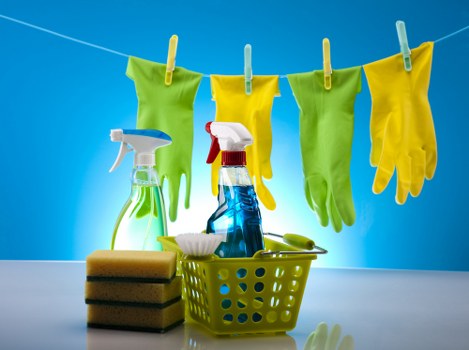
Communal area cleaning covers a wide range of spaces, and each area has its own requirements. One of the most frequently cleaned spaces is the entrance lobby. This area experiences heavy foot traffic, collects dirt quickly, and sets the tone for the rest of the building. Floors, glass doors, mats, and reception touchpoints should be cleaned frequently.
Hallways and corridors are another priority. These passageways are often overlooked, yet they accumulate dust, marks, and debris daily. Staircases also need special attention because they can be unsafe if dirt or moisture is left behind. Railings, step edges, and landing areas should be kept clean and dry to support safe movement.
Other common areas that benefit from regular communal area cleaning include:
- Lifts and elevator buttons
- Shared kitchens and break rooms
- Communal bathrooms and washrooms
- Mailroom and parcel collection points
- Bin storage areas and refuse rooms
- Shared lounges and meeting spaces
Each of these areas plays a part in the overall feel of the property, and each requires a slightly different cleaning approach.
What a Quality Cleaning Schedule Looks Like
An effective communal area cleaning schedule should be designed around the building’s usage patterns. High-traffic buildings may need daily or even multiple daily cleans, while lower-traffic properties may be well served by several visits per week. A quality schedule should also reflect seasonal changes, weather conditions, and special events that increase footfall.
A typical schedule may include daily tasks such as emptying bins, sweeping floors, wiping hand contact points, and checking for litter. Weekly tasks may involve deep cleaning floors, polishing surfaces, and vacuuming rugs or carpets. Monthly or quarterly tasks often include window cleaning, detailed corner dusting, and deep sanitation of hidden or less accessible areas.
Consistency is the foundation of effective communal area cleaning. A clear routine helps cleaners stay organised, building users know what to expect, and property managers can monitor standards with confidence.
Best Practices for Effective Communal Area Cleaning
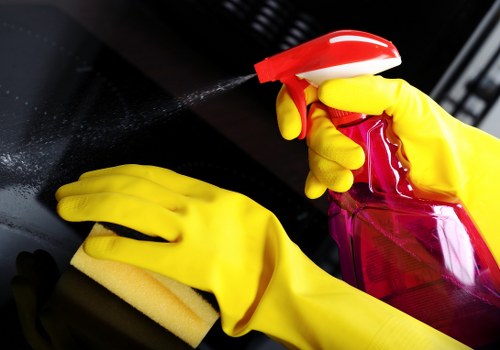
To get the most from communal area cleaning, it helps to follow a set of practical best practices. First, always focus on high-touch surfaces. These include door handles, handrails, switches, lift controls, and mailboxes. Because these points are touched frequently by different people, they require regular sanitising.
Second, use the right cleaning products for each material. Hard flooring, marble, laminate, vinyl, glass, and metal all respond differently to cleaning agents. Choosing the wrong chemicals can leave streaks, damage finishes, or reduce surface life. A professional approach to communal area cleaning prioritises safe, suitable, and effective products.
Third, adopt a top-to-bottom cleaning method. Dust and debris naturally fall downward, so dusting upper surfaces before cleaning floors helps prevent recontamination. This method is both efficient and thorough. Additional best practices include:
- Using colour-coded cleaning equipment to avoid cross-contamination
- Keeping cleaning logs for accountability
- Monitoring supply levels to avoid service interruptions
- Responding quickly to spills and accidents
- Inspecting shared spaces regularly for maintenance issues
How Communal Area Cleaning Supports Health and Hygiene
Health and hygiene are among the strongest reasons to invest in regular communal area cleaning. Shared environments can spread germs rapidly, especially during cold and flu season or in densely populated buildings. When touchpoints and surfaces are cleaned frequently, the risk of transmission can be reduced.
This is particularly important in apartment complexes, student housing, care settings, and commercial properties where many people move through the same space every day. Clean floors also reduce the amount of dust and allergens circulating in the air, which can support better comfort for people with sensitivities.
In addition to visible cleanliness, well-executed communal area cleaning supports a broader hygiene culture. When occupants see that common areas are cared for, they are more likely to keep the space tidy themselves. That creates a positive cycle where cleanliness becomes a shared priority.
Communal Area Cleaning for Different Property Types
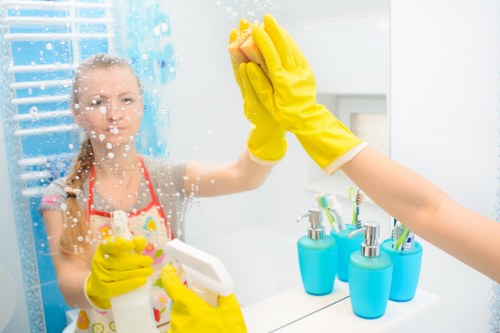
Not every building needs the same cleaning approach. The ideal communal area cleaning plan depends on the property type and how the space is used. In residential buildings, the focus is often on entrances, hallways, lifts, stairwells, and bin stores. Residents expect a clean, quiet, and orderly environment that feels safe and welcoming.
In office buildings, communal cleaning may place greater emphasis on reception areas, meeting rooms, shared kitchens, washrooms, and circulation spaces. These areas must look professional while supporting a productive workplace. Commercial properties such as shopping centres or mixed-use developments may require flexible cleaning schedules to handle varying footfall throughout the day.
Student residences and care facilities often need more frequent cleaning because of shared living arrangements and higher hygiene expectations. In these settings, attention to detail is essential. Communal area cleaning must adapt to the habits, schedules, and vulnerabilities of the people who use the building.
Choosing the Right Communal Area Cleaning Service
Selecting the right provider can make a major difference in the quality of results. A reliable cleaning service should offer clear service levels, trained staff, and a flexible approach. It should also be able to handle routine cleaning as well as occasional deep cleans or urgent callouts.
When comparing services, look for a company that understands the specific needs of shared properties. Experience with communal area cleaning is valuable because it means the team knows how to manage high-traffic zones, report issues, and work around occupants without causing disruption.
Key points to consider include:
- Experience with similar property types
- Availability and scheduling flexibility
- Cleaning methods and product standards
- Supervision, quality control, and reporting
- Ability to customise a cleaning plan
A provider that communicates well and responds quickly is usually easier to work with over the long term.
Why Communication Matters in Shared Property Cleaning
Good communication supports successful communal area cleaning. Property managers, building owners, and cleaning teams should agree on expectations, access arrangements, and reporting procedures from the start. Clear communication ensures that cleaning visits happen at the right times and that any problems are dealt with promptly.
For example, if a spill is reported in a hallway, the cleaning team should know how to respond quickly. If a building has regular events or delivery surges, the service schedule may need temporary adjustments. Effective communication helps maintain service quality and prevents small issues from becoming larger problems.
In well-managed shared spaces, cleaning and communication go hand in hand. When everyone understands their role, communal area cleaning becomes smoother, faster, and more reliable.
Common Challenges in Communal Area Cleaning
While communal area cleaning is essential, it does come with a few challenges. One of the most common is inconsistent use. Shared spaces are used by different people with different habits, which can make it difficult to maintain the same condition throughout the day. Constant foot traffic means dirt can reappear quickly after a clean.
Another challenge is access. Cleaners may need keys, fobs, security clearance, or permission to enter certain areas. Coordinating these details can take planning. There is also the issue of scheduling around occupants so that cleaning does not interfere with daily routines or business activity.
Despite these challenges, a well-designed cleaning programme can solve most issues effectively. The key is to plan for the building’s reality rather than relying on a one-size-fits-all approach.
How to Keep Communal Areas Clean Between Professional Visits
Even with regular professional communal area cleaning, occupants and staff can help maintain standards between visits. Small daily habits make a noticeable difference. For example, keeping entrances free of clutter, reporting spills promptly, and using bins properly all help shared spaces stay presentable.
Property managers can support this by posting simple cleanliness reminders, supplying adequate waste bins, and ensuring that lighting, mats, and ventilation are in good condition. These small steps reduce the workload on cleaning teams and improve the overall condition of the building.
Some practical habits include:
- Wiping up spills as soon as they occur
- Keeping personal items out of shared walkways
- Closing bin lids and sorting waste correctly
- Reporting damage or maintenance concerns early
- Encouraging respectful use of shared facilities
The Role of Deep Cleaning in Communal Area Maintenance
Routine cleaning is essential, but deep cleaning has its own important place in communal area cleaning. Over time, dirt can settle into corners, grout lines, carpets, vents, and other hard-to-reach areas. Deep cleaning removes this built-up residue and helps restore the building to a higher standard.
Deep cleaning may involve steam cleaning, machine scrubbing, carpet extraction, high-level dusting, and detailed sanitisation of overlooked areas. It is often scheduled less frequently than routine cleaning, but it can have a dramatic effect on appearance and hygiene. In many properties, periodic deep cleaning helps extend the lifespan of flooring and fixtures, which can save money over time.
Routine service keeps the space tidy; deep cleaning resets the standard. Together, they form a strong maintenance strategy for any shared property.
Environmental Considerations in Communal Area Cleaning
Modern communal area cleaning is increasingly shaped by environmental awareness. Many building owners now prefer cleaning methods that reduce waste, limit harsh chemicals, and support more sustainable operations. This can include using eco-friendly cleaning products, microfibre cloths, efficient equipment, and measured dosing systems.
Sustainable cleaning does not mean compromising on quality. In fact, many environmentally responsible methods are highly effective when used correctly. They can help protect indoor air quality, reduce chemical exposure, and support a healthier environment for occupants.
Choosing a cleaner or service that values sustainability can also align with wider property goals, particularly in buildings that aim to reduce energy use and environmental impact.
How to Measure the Success of Communal Area Cleaning
Measuring the success of communal area cleaning helps ensure that standards remain high. Cleanliness should not be judged only by appearance, although appearance is important. It should also be assessed by hygiene, consistency, responsiveness, and occupant satisfaction.
Useful ways to measure performance include regular inspections, cleaning logs, issue reporting, and feedback from building managers or residents. Photographic records can also be helpful for tracking changes over time. If recurring issues appear in the same location, the cleaning plan may need to be adjusted.
A successful communal area cleaning programme usually shows the following signs:
- Cleaner floors and fewer visible marks
- Reduced litter and bin overflow
- Better condition of high-touch surfaces
- Fewer complaints about shared areas
- Longer-lasting fixtures and finishes
Final Thoughts on Communal Area Cleaning
Communal area cleaning is one of the most important services for keeping shared properties safe, attractive, and well managed. It supports hygiene, improves presentation, reduces risks, and creates a more positive environment for everyone who uses the building. From lobbies and lifts to hallways, staircases, and shared facilities, every part of the common area benefits from regular care.
With the right schedule, the right products, and the right team, communal area cleaning can transform the way a building feels and functions. It is not just about removing dirt; it is about protecting standards, maintaining value, and supporting the wellbeing of occupants. For property owners and managers, investing in professional communal area cleaning is a smart and practical decision that pays off in the long run.
If you want cleaner, safer, and more welcoming shared spaces, book your service now. Contact us today to arrange a cleaning plan that suits your property and keeps your communal areas looking their best.