Deep Cleaning in Modern Homes and Workspaces: A Practical Approach to a Healthier Space
Deep cleaning is more than a quick tidy-up. It is the kind of thorough cleaning that reaches hidden corners, removes built-up grime, and refreshes spaces that regular cleaning often misses. Whether you are managing a busy household, preparing a property for guests, or maintaining a professional workspace, deep cleaning helps create a cleaner, safer, and more comfortable environment. It also supports better indoor hygiene, reduces allergens, and improves the overall look and feel of a room.
Many people search for deep cleaning because they want real results, not just surface-level improvement. A room may look clean at first glance, yet dust can gather behind furniture, grease can settle in kitchens, and bacteria can linger in bathrooms. That is why deep cleaning services and structured home cleaning routines are becoming increasingly important. They target the areas that matter most and help maintain long-term cleanliness.
In this article, we will explore what deep cleaning involves, why it matters, which areas need attention, and how to approach it efficiently. You will also find practical tips, room-by-room cleaning priorities, and helpful ways to decide when it is time to schedule a professional deep clean.
What Deep Cleaning Really Means

Deep cleaning refers to a detailed cleaning process that goes beyond everyday dusting, sweeping, and wiping. It focuses on removing accumulated dirt, disinfecting high-touch surfaces, and restoring spaces to a more hygienic condition. Unlike routine cleaning, which keeps things looking presentable, deep cleaning aims to address hidden buildup and neglected areas.
This type of cleaning is especially useful after long periods of inactivity, seasonal changes, move-ins, move-outs, or before and after events. It is also valuable in homes with children, pets, or allergy concerns. A proper deep cleaning service can target baseboards, vents, behind appliances, inside cabinets, grout lines, light fixtures, and more.
In many cases, the value of deep cleaning is not just visual. It can improve air quality, reduce odors, and make a space feel more organized and welcoming. For households and businesses alike, deep cleaning is a smart investment in cleanliness and comfort.
Why Deep Cleaning Matters
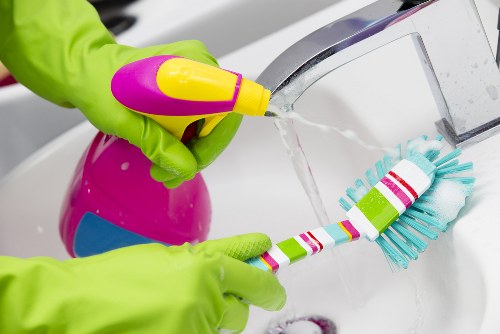
There are many reasons why people choose deep cleaning over standard maintenance cleaning. One of the biggest benefits is hygiene. Everyday cleaning often handles visible messes, but deep cleaning reaches the buildup that can affect health and comfort. This includes dust mites, mold-prone areas, grease residue, and bacteria around sinks and toilets.
Deep cleaning also helps preserve surfaces and fixtures. Dirt and grime can wear down materials over time, especially in kitchens and bathrooms. Regular attention to these areas may extend the life of countertops, tiles, flooring, and appliances. That makes deep cleaning not only a cleanliness issue but also a maintenance strategy.
Another major reason is presentation. Whether you are hosting family, welcoming clients, or preparing a property for sale, a deep-cleaned space leaves a stronger impression. It communicates care, organization, and professionalism. Many property owners choose deep cleaning before listing a home because cleaner spaces often photograph better and feel more appealing during showings.
Key Benefits of Deep Cleaning
When done properly, deep cleaning delivers a range of practical benefits. These include:
- Better indoor air quality by removing dust, dander, and debris from hidden areas.
- Reduced allergens for people sensitive to dust, pollen, or pet hair.
- Improved hygiene in kitchens, bathrooms, and shared spaces.
- Longer-lasting surfaces because dirt and residue are removed before damage occurs.
- Stronger odor control by cleaning the source of smells rather than masking them.
For households and businesses, these benefits make deep cleaning an essential part of property care. It is often the difference between a space that simply looks tidy and a space that truly feels fresh.
Many people also find that after a proper deep cleaning, daily upkeep becomes easier. When buildup is removed, ordinary cleaning tasks take less time and effort. That means your regular cleaning routine becomes more efficient and less stressful.
Areas That Need Deep Cleaning Most Often
Some parts of a home or office need extra attention because they collect dirt quickly or are frequently touched. These areas are often overlooked during routine cleaning.
Kitchens
Kitchens are one of the most important spaces for deep cleaning. Grease, crumbs, food residue, and spills can accumulate in corners, around appliances, and inside cabinets. Deep cleaning here often includes scrubbing the oven, degreasing range hoods, wiping cabinet fronts, cleaning behind the refrigerator, and sanitizing sinks and counters.
Bathrooms
Bathrooms require special care because they are high-moisture environments. Deep cleaning bathrooms may involve scrubbing grout, disinfecting toilets, cleaning shower doors, removing soap scum, and polishing fixtures. A detailed bathroom clean can make a dramatic difference in both appearance and hygiene.
Living Areas
Living rooms and lounges gather dust on baseboards, upholstery, shelves, and electronics. Deep cleaning these areas may include vacuuming under furniture, cleaning ceiling fans, and removing dust from vents and décor. A well-executed deep cleaning service can make shared spaces feel more inviting.
Bedrooms, Hallways, and Hidden Spaces
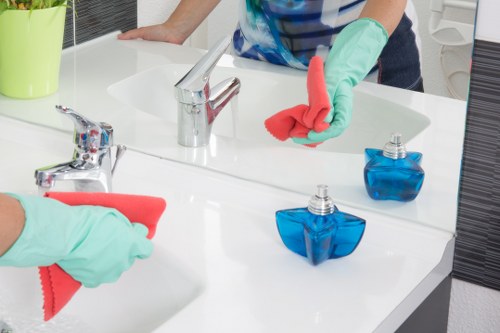
Bedrooms often appear clean on the surface, but they can hide dust behind headboards, under beds, and in closets. Deep cleaning bedrooms means refreshing bedding, vacuuming mattresses if needed, wiping light switches, and organizing storage areas. This is especially helpful for reducing allergens and improving sleep comfort.
Hallways and entryways also benefit from deep cleaning because they handle constant foot traffic. Dirt can collect on floors, trim, doors, and walls. Since these areas are often the first thing visitors notice, they should never be ignored.
Hidden or hard-to-reach areas are where deep cleaning proves its value. Spaces behind sofas, under appliances, inside vents, and along baseboards often hold more dirt than expected. These spots are easy to miss during regular cleaning, but they matter when you want a truly refreshed environment.
Tip
Focus on one hidden area at a time so deep cleaning feels manageable rather than overwhelming.
Deep Cleaning vs Regular Cleaning
Understanding the difference between regular cleaning and deep cleaning can help you plan your maintenance schedule more effectively. Regular cleaning is the routine upkeep that keeps a place neat day to day. It usually includes tasks like sweeping, vacuuming, wiping counters, emptying trash, and cleaning visible surfaces.
Deep cleaning, by contrast, is more detailed and time-intensive. It targets buildup that regular cleaning does not handle. This can include scrubbing tile grout, washing walls, cleaning inside appliances, disinfecting baseboards, and removing dust from vents or ceiling fans.
Both types of cleaning are important. Regular cleaning keeps things manageable, while deep cleaning resets the condition of the space. Together, they create a complete maintenance routine that supports cleanliness and comfort all year long.
- Regular cleaning: quick, frequent, surface-level tasks
- Deep cleaning: slower, detailed, thorough sanitation and restoration
- Best result: combining both on a consistent schedule
When You Should Schedule a Deep Clean
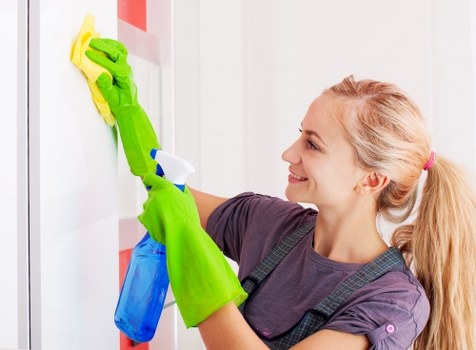
There is no single rule for how often a space needs deep cleaning, but certain situations clearly call for it. Seasonal transitions are a popular time because homes can accumulate extra dust, mud, and clutter. Many people schedule a deep cleaning service in spring or before major holidays to prepare for guests and gatherings.
Other ideal times include after illness, after renovations, before moving in or out, and after long travel. In each of these cases, a detailed cleaning can help restore the space to a healthier and more comfortable state. If a room smells stale, looks dull, or feels neglected, it may be time for a deeper clean.
Businesses also benefit from scheduled deep cleaning. Offices, retail stores, clinics, and rental properties all experience heavy use and need more than surface upkeep. A professional deep cleaning approach can help maintain standards and improve the experience for staff, clients, and visitors.
Signs Your Space Needs Deep Cleaning
It is not always obvious when deep cleaning is overdue. Look for these common signs:
- Visible dust returning quickly after normal cleaning.
- Persistent odors in kitchens, bathrooms, or carpets.
- Sticky residue on cabinets, switches, or handles.
- Grime around grout, faucets, or appliance edges.
- Cluttered or neglected hidden areas like corners and vents.
If you notice more than one of these issues, a deep cleaning session can make a noticeable difference. The space may not be failing in a major way, but it likely needs more attention than basic cleaning provides.
Important: Consistent maintenance reduces how often deep cleaning is needed, but it does not eliminate the need entirely.
How to Approach Deep Cleaning Efficiently
A successful deep cleaning process is easier when it is broken into steps. Start by decluttering so surfaces are easier to access. Next, gather the right supplies, including microfiber cloths, disinfectant, sponges, a vacuum with attachments, and cleaning products suited to each surface. Having everything ready before you begin saves time and prevents frustration.
Then work room by room. This method helps you stay focused and ensures no area is forgotten. Begin with higher surfaces like shelves and fans before moving to lower areas like floors and baseboards. That way, dust and debris fall downward and are cleaned later in the process.
For best results, combine cleaning methods. Dust first, then wipe, then disinfect where appropriate. In some cases, scrubbing or soaking may be necessary to loosen buildup. A careful deep cleaning service often follows this same logic because it is efficient and effective.
Step-by-Step Priorities for a Deep Clean

Here is a simple order that can help make deep cleaning more productive:
- Declutter surfaces and floors.
- Dust ceilings, fans, light fixtures, and vents.
- Clean walls, doors, switches, and trim.
- Scrub kitchens and bathrooms thoroughly.
- Vacuum upholstered furniture and hard-to-reach corners.
- Wash floors after all upper dust and debris are removed.
Following this order prevents repeated work and helps your deep cleaning session feel organized. It also ensures that dust and grime are removed in the right sequence.
Pro tip: Use separate cloths for different rooms, especially bathrooms and kitchens, to avoid spreading germs.
Deep Cleaning in Kitchens: What to Focus On
Kitchens deserve special attention because they combine food preparation, moisture, grease, and frequent touchpoints. A proper deep cleaning in the kitchen may include wiping inside cabinets, cleaning drawer fronts, degreasing appliances, and sanitizing handles and switches.
Pay close attention to the stove, oven, sink, backsplash, refrigerator seals, and microwave. These are common buildup zones. Even a small amount of leftover grease or food residue can attract pests and create unpleasant smells over time.
Do not forget the less visible areas. Under-counter spaces, toe kicks, and the sides of appliances can collect dust and crumbs. When these are cleaned properly, the entire kitchen feels brighter and more hygienic.
Kitchen Deep Cleaning Checklist
- Inside and outside of cabinets
- Appliance exteriors and handles
- Oven, microwave, and stovetop
- Countertops and backsplash
- Sink, faucet, and drain area
Deep Cleaning in Bathrooms: Hygiene First
Bathrooms need a detail-focused approach because moisture creates ideal conditions for mold, soap scum, and bacterial buildup. A thorough deep cleaning service will focus on disinfecting surfaces and removing residue from every corner possible.
Shower doors, tubs, toilets, sinks, and tile grout should all be cleaned carefully. Mirrors and chrome fixtures should be polished to remove water spots, while exhaust fans and baseboards should be dusted to improve air circulation and appearance. If mildew is present, it should be addressed as soon as possible.
Bathrooms are one of the clearest examples of why deep cleaning matters. A room may look acceptable after a quick wipe-down, but deeper attention reveals stains, buildup, and odor sources that affect the whole home. Regular deep cleaning in bathrooms helps keep the space sanitary and pleasant to use.
Professional Deep Cleaning or DIY?
Both professional services and do-it-yourself cleaning have advantages. DIY deep cleaning works well for smaller spaces, routine upkeep, or lighter buildup. It gives you control over products, timing, and detail level. Many homeowners use DIY methods between professional visits to maintain their space.
Professional deep cleaning is often the better choice when time is limited, the space is large, or the buildup is significant. It can also be useful for move-outs, post-renovation cleanup, and seasonal refreshes. A trained team usually brings stronger tools, better efficiency, and a more systematic approach.
The right choice depends on your situation. If you want fast, thorough results without the stress of doing it yourself, a professional deep cleaning service may be the most practical solution. If you prefer to clean on your own, a structured plan can still deliver excellent results.
How Deep Cleaning Supports a Healthier Environment
One of the biggest reasons people invest in deep cleaning is health. Dust, allergens, mold, bacteria, and pet dander can all build up over time. Regular cleaning helps, but deep cleaning reaches the places where these particles often hide. That makes it especially beneficial for homes with children, seniors, or people with respiratory sensitivities.
Improving cleanliness can also influence mood and productivity. Many people feel calmer and more focused in a neat, organized space. A well-maintained environment can reduce stress and make daily routines feel smoother. In offices, deep cleaning can help reinforce a more professional and comfortable atmosphere.
When a space is consistently maintained through regular cleaning and occasional deep cleaning, it becomes easier to enjoy and easier to manage. Cleanliness becomes a habit rather than a burden.
Making Deep Cleaning Part of Your Routine
To get the most out of deep cleaning, make it part of your long-term maintenance plan. You do not need to do everything at once. Instead, schedule deeper tasks monthly, seasonally, or as needed. This approach keeps buildup from becoming overwhelming.
You can also divide responsibilities into categories. For example, one week can focus on the kitchen, another on bathrooms, and another on hidden spaces like vents and baseboards. This keeps the workload reasonable while still improving overall cleanliness.
Whether you handle it yourself or hire help, the goal is the same: create a cleaner, healthier, and more welcoming environment. If your home or business is overdue for a refresh, now is the right time to act. Contact us today to learn how a professional approach can support your space, or book your service now and experience the difference a proper deep clean can make.
Final Thoughts on Deep Cleaning
Deep cleaning is not just about appearances. It is about restoring a space, removing hidden buildup, and creating an environment that feels fresh and well cared for. From kitchens and bathrooms to bedrooms and offices, every area benefits from a focused, thorough cleaning process.
With the right strategy, deep cleaning becomes manageable and worthwhile. It supports hygiene, protects surfaces, improves air quality, and makes everyday maintenance easier. Whether you prefer to do it yourself or rely on a professional deep cleaning service, the results are worth the effort.
If your space is ready for a true reset, now is the perfect time to take the next step. Book your service now and enjoy the comfort that comes with a genuinely clean space.