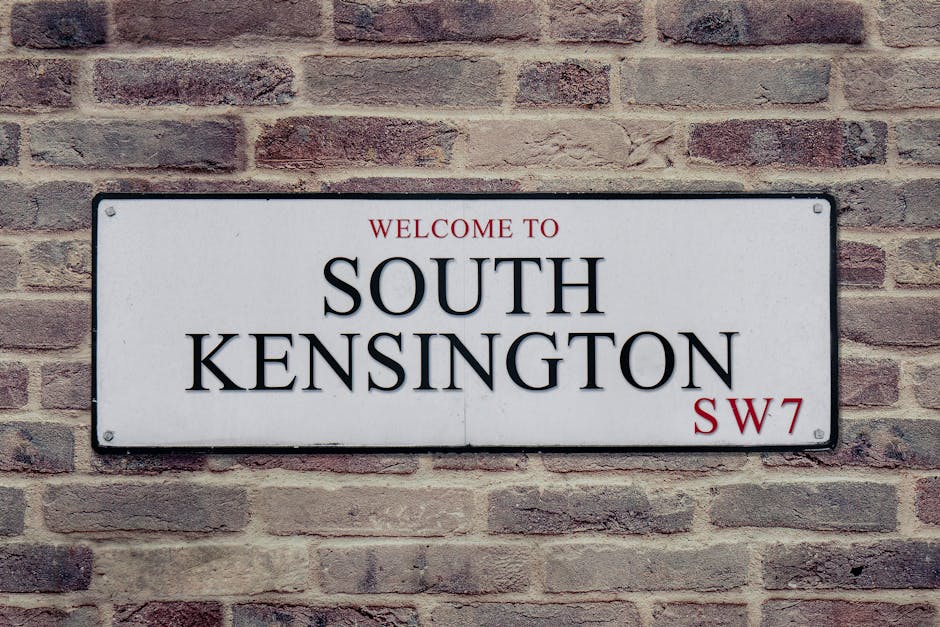
Fines and Disposal Rules for Cleaners in South Kensington
If you clean homes, offices, rentals, or shared buildings in South Kensington, the rules around waste disposal are not something you can leave to chance. A small mistake with rubbish, sharps, leftover chemicals, or bulky waste can lead to complaints, lost time, or even fines. The tricky part is that many problems start with ordinary jobs: a post-build clean, a tenancy turnaround, or a quick weekly visit where the waste simply piles up faster than expected.
This guide explains the practical side of fines and disposal rules for cleaners in South Kensington in plain English. You will see what matters, how disposal usually works, the kinds of mistakes that create risk, and the habits that help cleaners stay organised, compliant, and calm on the day. No drama. Just the stuff that actually saves headaches.
Table of Contents
- Why fines and disposal rules matter
- How disposal rules work in practice
- Key benefits of getting it right
- Who this is for and when it makes sense
- Step-by-step guidance
- Expert tips for better results
- Common mistakes to avoid
- Tools, resources and recommendations
- Law, compliance, standards and best practice
- Options, methods and comparison table
- Case study or real-world example
- Practical checklist
- Conclusion
- Frequently asked questions
Why Fines and Disposal Rules for Cleaners in South Kensington Matters
South Kensington is a busy, high-expectation part of London. There are period flats, managed apartments, offices, short-let properties, retail units, and communal buildings with very little room for error. In places like that, waste that is left in the wrong place or handled badly is noticed fast. Sometimes it is a neighbour. Sometimes it is a building manager. Sometimes it is the client who is wondering why the refuse area suddenly looks like a minor disaster zone.
For cleaners, the issue is not just avoiding a literal fine. It is also about professionalism. If a property is left with bags in the wrong bin store, chemical bottles in ordinary waste, or broken glass mixed into loose rubbish, the client may face a complaint, the building may issue warnings, and the cleaner may get blamed. Fair or not, that is how the real world works. And yes, it can snowball quickly.
Disposal rules matter because they protect people, property, and reputation. They also help reduce contamination in recycling streams, keep staff safer, and prevent awkward conversations later in the week. If you have ever opened a cleaning cupboard and found three half-empty spray bottles, a cracked mop bucket, and no clue what went where, you will know the feeling. Not ideal.
There is also a practical side: clear disposal habits save time. When a cleaner knows what to separate, what to bag, what to report, and what to leave for the client or managing agent, the job flows better. Less second-guessing, fewer site issues, fewer callbacks.
How Fines and Disposal Rules for Cleaners in South Kensington Works
In practice, disposal rules come from a mix of property instructions, building procedures, local waste arrangements, and wider UK waste-handling expectations. You do not need to memorise every possible rule, but you do need a reliable process. That is the difference between controlled cleaning and messy guesswork.
Here is the simple version. Cleaners should identify the waste type, separate it where required, place it in the correct container or collection point, and escalate anything unusual. That may sound basic, but most problems start when a cleaner assumes "it will be fine" and drops something in the nearest bin. Truth be told, that is where the fines tend to begin.
Typical disposal categories include general waste, dry mixed recycling, food waste where provided, glass, bulky waste, and special items such as blades, sharps, paint tins, batteries, fluorescent tubes, or chemical containers. Some of these should never go into ordinary refuse. Others may require a building's specific collection arrangement. If a property has its own waste rules, those come first for that site.
For cleaners in South Kensington, this often plays out differently depending on the job. A domestic cleaning visit might only involve small household rubbish and packaging. An office cleaning job may include paper recycling, confidential waste procedures, or kitchen waste separation. After a renovation, after builders cleaning can produce dust bags, rubble, offcuts, and sharp debris that need far more care.
One important nuance: cleaners usually do not just "dispose of everything." Some waste belongs to the client, some to the building, and some may need a specialist collection. If there is doubt, pause and check. A few minutes of checking can prevent an entire afternoon of cleanup of the wrong kind.
What can lead to fines or penalties?
While every site is different, fines or charges commonly arise from poor segregation, dumping waste in the wrong place, blocking access routes, leaving rubbish outside collection windows, using prohibited bins, or mishandling hazardous items. In shared buildings, a cleaner may not receive the fine directly, but the client or managing agent may pass on the cost. And that tends to come back to the cleaning provider very quickly, doesn't it?
Another risk is reputational rather than financial. A building may decide a cleaner is no longer welcome if they repeatedly ignore disposal instructions. That can be more expensive than a one-off charge.
Key Benefits and Practical Advantages
Getting disposal rules right has obvious compliance value, but the day-to-day benefits are just as important. Cleaners who work neatly with waste are easier to trust. Clients notice the little things: bins relined properly, recycling separated, a smear-free bin store, a careful note about a hazardous item left for the landlord. It all adds up.
- Lower risk of complaints from residents, building managers, and property owners.
- Better site safety, especially where broken glass, blades, or cleaning chemicals are involved.
- Cleaner handovers after one-off, deep, or move-related cleans.
- More efficient jobs because waste handling becomes part of the routine.
- Stronger professional credibility when clients see clear, careful working habits.
There is also a sustainability angle. Good waste separation supports recycling and reduces contamination. If you are already thinking about this from an environmental point of view, the page on recycling and sustainability is a useful companion. Waste does not have to become a messy afterthought; handled properly, it is just part of a tidy, dependable service.
For landlords and managing agents, the benefit is consistency. For cleaners, it is peace of mind. That second bit matters more than people admit.
Who This Is For and When It Makes Sense
This topic is not only for large commercial teams. It matters to anyone whose work creates, moves, or sorts waste in a South Kensington property.
- Domestic cleaners handling day-to-day household waste, bathroom items, packaging, and breakables.
- Office cleaners managing recycling, paper waste, kitchen waste, and shared-bin rules.
- End-of-tenancy teams clearing out clutter, leftovers, or abandoned items before handover.
- Move-in and move-out cleaners working around packed boxes, packaging, and last-minute clear-outs.
- Deep cleaners dealing with heavier build-up, old food waste, and more awkward debris.
- Specialist cleaners like carpet, upholstery, and oven cleaners who may encounter soiled materials, used pads, ash, grease waste, or packaging from chemicals.
It also makes sense for clients to understand these rules, because not every cleaner is responsible for taking waste off-site. If you hire a cleaner for a short visit, you may still need to provide access to the correct bins, a disposal point, or a building-approved method. A good provider should explain that clearly rather than leave you guessing.
If you are comparing services, browsing pricing and quotes can help you understand how waste handling might be included or separated from the core clean. Some jobs are straightforward. Others need more prep than people first expect.
Step-by-Step Guidance
Below is a practical, field-ready process cleaners can use in South Kensington. It is simple on purpose.
- Check the site instructions first. Look for building rules, landlord notes, or client-specific disposal requirements before you start.
- Identify the waste type. Separate general waste, recycling, food waste, sharps, glass, bulky items, and anything hazardous.
- Keep cleaning waste distinct. Do not mix disposable cloths, chemical containers, and food waste without checking local instructions.
- Use the correct bin or hold point. If a building has a bin store, service area, or porter collection process, follow it exactly.
- Bag and contain sharp or messy items. Broken glass, razors, and similar items should be secured properly, not left loose. Obvious, but easy to miss when you are moving quickly.
- Handle chemical residues carefully. Empty does not always mean safe to treat as normal rubbish.
- Report anything unusual. If you find batteries, needles, mouldy waste, or a suspicious bag, stop and escalate it.
- Document what happened if needed. For commercial or managed properties, a quick note can avoid disputes later.
That is the short version. If a job feels more complex, slow down. The extra thirty seconds is rarely the problem. It is the skipped check that causes the issue.
A quick example
Imagine a cleaner finishing a small flat near the museums after a tenancy changeover. There is normal rubbish, some food packaging, a broken glass tumbler, and a half-used cleaning bottle. The right move is to separate the glass safely, place the general waste into the appropriate bin, and ask the client or agent about the chemical container if the label is unclear. Simple. Safe. No drama in the hallway.
Expert Tips for Better Results
In our experience, the cleaners who avoid disposal problems are usually the ones who build habits, not the ones who rely on memory. A few small routines can make a big difference.
- Carry a small waste checklist. It saves time on repeat jobs and stops "I thought someone else would handle it" moments.
- Use clear bags where allowed. Helpful in managed buildings where visibility matters, though always follow site rules.
- Separate at source. Sorting waste at the end of the job is slower and more error-prone than separating as you go.
- Ask about the bin store before you start. Access issues are surprisingly common in South Kensington blocks.
- Keep a note of awkward items. Batteries, bulbs, aerosols, and sharps should never be treated casually.
- Match the service to the disposal load. A deep cleaning job often needs more disposal planning than a standard weekly visit.
One useful habit is to pause at the end of every job and do a five-second bin check. It sounds tiny, almost silly, but that is where overlooked things are spotted: a wipe left on a shelf, a rogue screw, a used blade tucked into a cloth. Tiny things, big consequences.
If you work in a mixed portfolio, the patterns help. For example, a regular cleaning client often generates predictable waste, while one-off cleaning jobs can be much more unpredictable. Plan accordingly.
Common Mistakes to Avoid
Most disposal mistakes are not dramatic. They are small, rushed, and entirely avoidable. That is what makes them annoying.
- Assuming all waste can go in one bin. It cannot, and in shared buildings that becomes everyone's problem.
- Leaving waste in corridors or beside entrances. Even temporary placement can cause complaints or block fire routes.
- Mixing recyclables with contaminated rubbish. Once that happens, the whole bag may be treated as general waste.
- Ignoring special items. Sharps, batteries, bulbs, and chemicals need extra care.
- Not checking building rules. Private bin systems often differ from standard household habits.
- Forgetting end-of-job waste. Small pieces matter, especially after a builder's clean or a move-out.
- Thinking "it's only a little bit". A little bit can still trigger a complaint. Sadly, size is not the whole story.
A very common issue is overconfidence. A cleaner has done the same building five times and then, on the sixth visit, the bins are locked or the collection day has changed. Suddenly the routine breaks. That is why a quick check matters every time, not just when you feel like it.
Tools, Resources and Recommendations
You do not need a truck full of specialist gear to manage waste well. Usually, a tidy set of basics is enough.
| Tool or resource | Why it helps | Best for |
|---|---|---|
| Colour-coded bags or labels | Makes sorting quicker and reduces contamination | Multi-service and commercial jobs |
| Small sharps container | Improves safety for broken blades or similar items | Oven cleans, maintenance-heavy sites, and unusual waste |
| Site waste notes | Records instructions for repeat access and bin use | Managed blocks and office contracts |
| Disposable gloves and tongs | Helps handle awkward or unhygienic debris safely | Deep cleans, end-of-tenancy work, and kitchen cleanups |
| Client handover note | Sets out what was disposed of, left in place, or flagged | Property management and premium residential work |
For service planning, it is also smart to understand the type of clean you are booking. A end of tenancy cleaning job may involve more waste management than a routine visit, while office cleaning may involve stricter shared-bin procedures. For properties with multiple residents, communal area cleaning often needs careful coordination because waste areas are shared and very visible.
Also worth noting: if payment handling matters to your business process, the site page on payment and security can help clients feel more comfortable before booking. Different concern, same trust signal.
Law, Compliance, Standards, or Best Practice
Here we need to be careful and practical. Waste disposal obligations in the UK can involve property rules, local collection arrangements, health and safety duties, and wider environmental expectations. Exact obligations may differ depending on the type of waste, the site, and the person responsible for collection. So rather than guess, the safest approach is to follow site instructions, treat potentially hazardous items cautiously, and keep a record when the arrangement is not obvious.
For cleaners, the best practice is straightforward:
- Do not mix hazardous items with ordinary waste.
- Do not leave bags in unauthorised areas.
- Use protective handling where debris could cut, contaminate, or spill.
- Follow building, landlord, or employer instructions before using any bin store.
- Escalate unclear waste rather than guessing.
Many reputable cleaning companies also back this up with clear operational policies. If you are reviewing providers, pages such as health and safety policy, insurance and safety, and terms and conditions can tell you a lot about how seriously the business takes risk, reporting, and customer protection. That is not just paperwork. It is usually the difference between a smooth job and a stressful one.
For businesses that care about broader responsibility, the pages on modern slavery statement and about us also help show how the company presents itself, how it operates, and whether it treats standards as more than marketing language.
Options, Methods, or Comparison Table
Not every disposal approach suits every job. The right method depends on property type, waste volume, and the level of risk involved. Here is a simple comparison to make the choices easier.
| Method | Best for | Pros | Watch-outs |
|---|---|---|---|
| On-site separation into existing bins | Routine home and office cleans | Fast, familiar, low disruption | Must follow the site's own rules exactly |
| Bagging and leaving for client collection | Standard domestic work where cleaners are not removing waste | Simple and clear responsibility split | Needs clear handover so nothing is forgotten |
| Extra disposal planning before the job | Deep cleans, move-out jobs, and builder cleans | Reduces surprises and delays | Takes more upfront coordination |
| Special handling/escalation | Hazardous, sharp, or unknown waste | Safer and more compliant | May require the client or manager to arrange removal |
To be fair, the "best" option is often the boring one: the one that is clear, documented, and easy to repeat. Fancy systems are overrated if nobody follows them on a wet Tuesday afternoon.
Case Study or Real-World Example
Here is a realistic scenario. A cleaner arrives at a South Kensington rental flat after the tenants move out. The place is tidy enough, but there are three bin bags, a broken lamp shade, used kitchen rolls, an opened cleaning product, and a box of miscellaneous bits in the hallway. The landlord wants the flat ready for photography by the next morning.
The cleaner does three things well. First, they separate the broken lamp shade and wrap anything sharp. Second, they check the building's bin room before removing or leaving the bags. Third, they flag the cleaning product because the label is partly rubbed off and no one wants an accidental spill in a shared bin area. Small actions, big payoff.
Nothing dramatic happened. And that is exactly the point. Good disposal practice often looks uneventful from the outside. Inside the job, though, it prevents problems the client never even sees.
That same approach works across services. A move out cleaning appointment may generate different waste than move in cleaning, where the main issue is usually packaging and dust rather than leftover household clutter. An oven cleaning visit may create grease waste and used cloths, while window cleaning usually produces far less. The disposal plan should match the job, not the other way around.
Practical Checklist
Use this checklist before you finish a cleaning job in South Kensington:
- Have I checked the property's bin or waste instructions?
- Have I separated recycling from general waste where required?
- Have I handled glass, blades, or sharp debris safely?
- Have I identified any chemical containers, batteries, or other special items?
- Have I avoided placing waste in corridors, entrances, or fire routes?
- Have I left clear notes for the client or manager if something could not be disposed of on site?
- Have I cleaned the bin area itself if part of the job scope?
- Have I reported anything suspicious, contaminated, or unsafe?
If you can tick those off without hesitation, you are in a good place. If not, pause and fix the gap. It is a much nicer habit than apologising later.
Get a free quote today and see how much you can save.
Conclusion
Fines and disposal rules for cleaners in South Kensington are not just a compliance issue. They affect safety, trust, efficiency, and the way a cleaner or cleaning company is remembered after the job. A tidy waste process makes the whole service feel more professional, especially in an area where shared buildings, short turnarounds, and high expectations are part of daily life.
The best approach is simple: know the site rules, separate waste properly, handle risky items carefully, and never assume the same arrangement will apply everywhere. Once those habits are built, they become second nature. And honestly, that is what good cleaning work looks like in the end - careful, steady, and a little more thoughtful than most people expect.
Need a final takeaway? Keep waste handling boring, consistent, and visible. That is how you stay out of trouble and leave a better impression, every time.
Frequently Asked Questions
What are the main fines and disposal rules for cleaners in South Kensington?
The main issues are usually poor sorting, placing waste in the wrong bin, leaving rubbish in unauthorised areas, and mishandling hazardous items. The exact penalty depends on the site and the type of mistake.
Do cleaners have to take waste away from the property?
Not always. In many jobs, cleaners separate waste or place it in the correct bin area, while the client, landlord, or building team arranges final removal. It should be agreed in advance.
Can cleaners throw away old cleaning chemicals?
Only if the product and site instructions allow it. Unlabelled, partly used, or potentially hazardous chemicals should be treated with caution and escalated rather than dumped into normal waste.
What should a cleaner do with broken glass?
Broken glass should be secured carefully, wrapped or bagged safely, and never left loose. The safest handling method may vary by site, but it should never be tossed carelessly into ordinary rubbish.
Are there special disposal rules for end-of-tenancy cleans?
Yes, often there are. End-of-tenancy jobs can uncover abandoned items, food waste, broken household goods, and leftover chemicals, so waste handling usually needs more attention than a standard visit.
How do disposal rules differ for office cleaning?
Office cleaning can involve paper recycling, kitchen waste, confidential items, and shared-bin procedures. Building management rules are especially important because office sites often have stricter waste systems.
What happens if a cleaner uses the wrong bin?
It can lead to contamination, complaints, extra charges, or building sanctions. In a shared property, the client or management may be the one billed, even if the cleaner made the mistake.
Is waste handling included in every cleaning service?
No. Some services include basic bin emptying and tidying, while others involve only surface cleaning. If the job creates more rubbish than usual, it is best to confirm the scope before booking.
What is the safest way to deal with unknown waste?
Stop and check. Do not guess. Unknown waste may include sharps, batteries, chemicals, or contaminated items, and those need a more careful response.
How can clients reduce the risk of disposal problems?
Give clear instructions, provide bin access, label recycling areas, and tell the cleaner if any items need special treatment. A few minutes of clarity upfront can prevent a lot of mess later.
Do recurring cleans need as much disposal planning as one-off cleans?
Usually not, but they still need a basic process. Regular cleaning tends to be predictable, while one-off or turnover jobs can create more waste and more surprises.
Where can I find more information about the company's policies?
The most useful places to start are the pages on health and safety policy, recycling and sustainability, and complaints procedure. They help you understand how issues are handled if something goes wrong.
What should I do if the bin store is locked or inaccessible?
Do not force the issue or leave waste in a random spot. Report it, note the problem, and ask for access instructions. That is usually the safest and cleanest next step.